 Tagine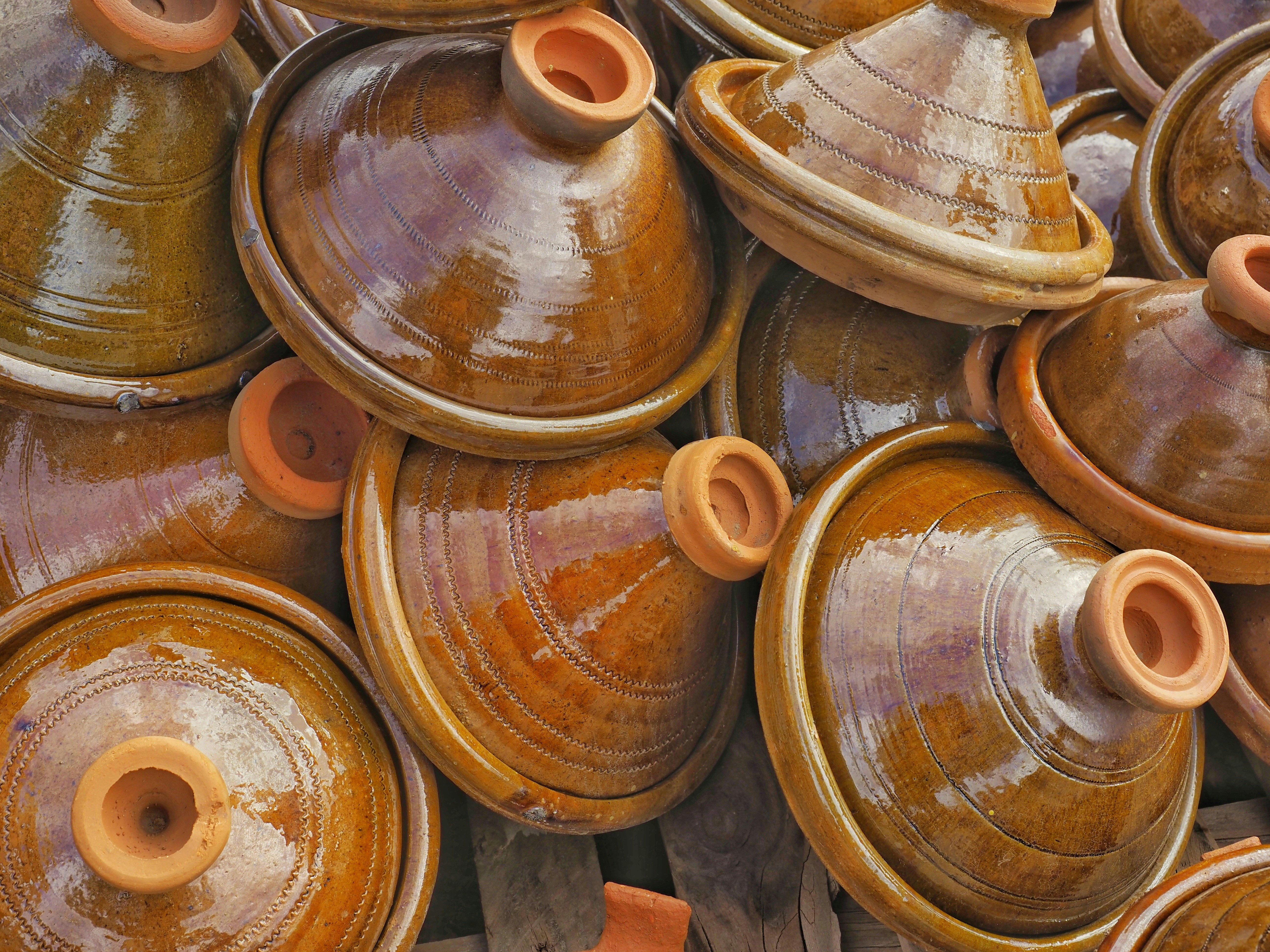
Cook WhatYou Can’tGoogle.
Saffron threads bloom in warm butter. Hands fold pastilla dough thin enough to read through. The dishes Moroccan grandmothers never wrote down — you’ll cook them tonight.


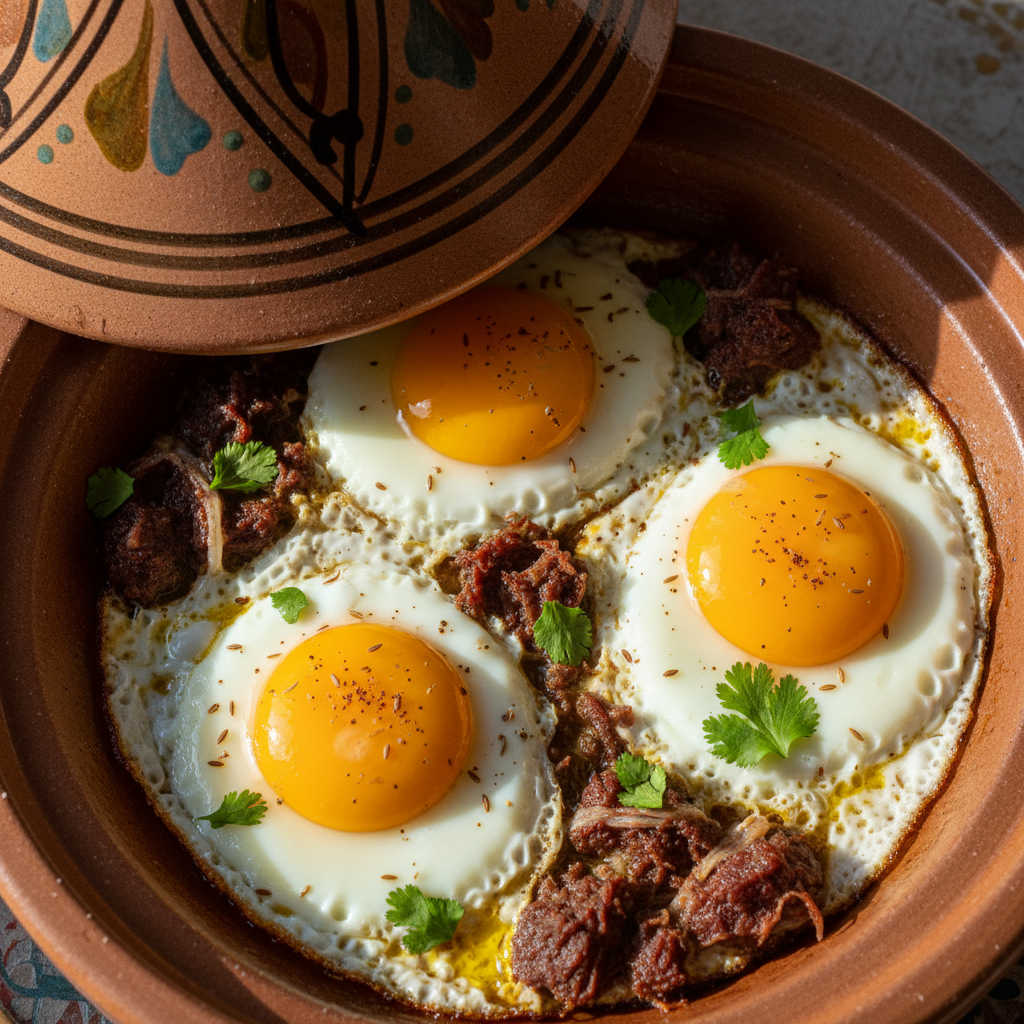
Dishes That Look Like Morocco Tastes
The Kitchen Has a Seat For You
Chase a Taste Memory
You ate something in a riad in Marrakech and you've been trying to recreate it since. You've watched the videos. None of them smell right.
Classes run 3 hours. You leave with a recipe card, a spice blend, and the muscle memory to do it again at home.
The Charcoal Is Lit. The Mint Is Torn.
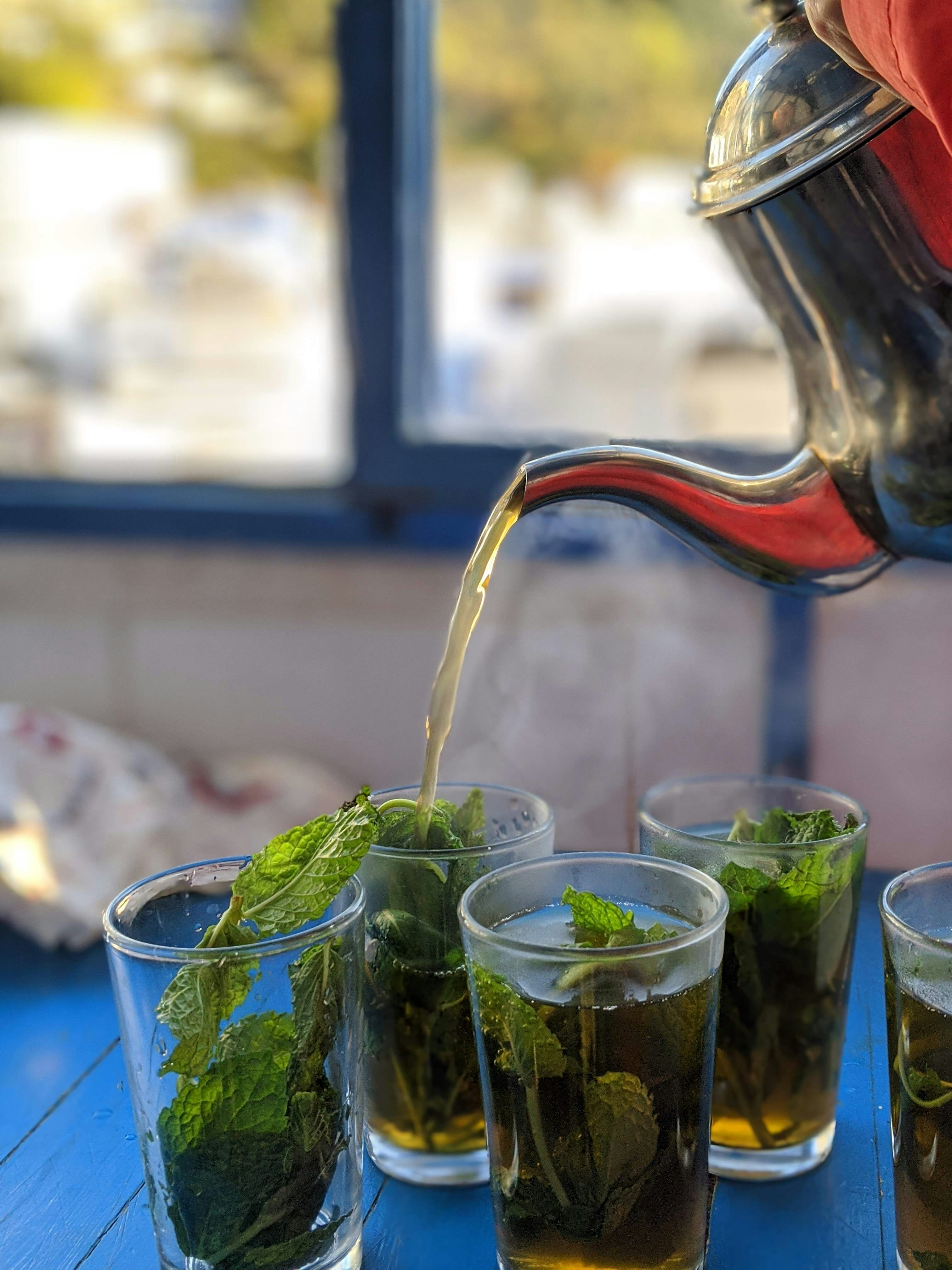
Walk through the courtyard door and someone has already started cooking. A glass of something sweet is being pressed into your hand.
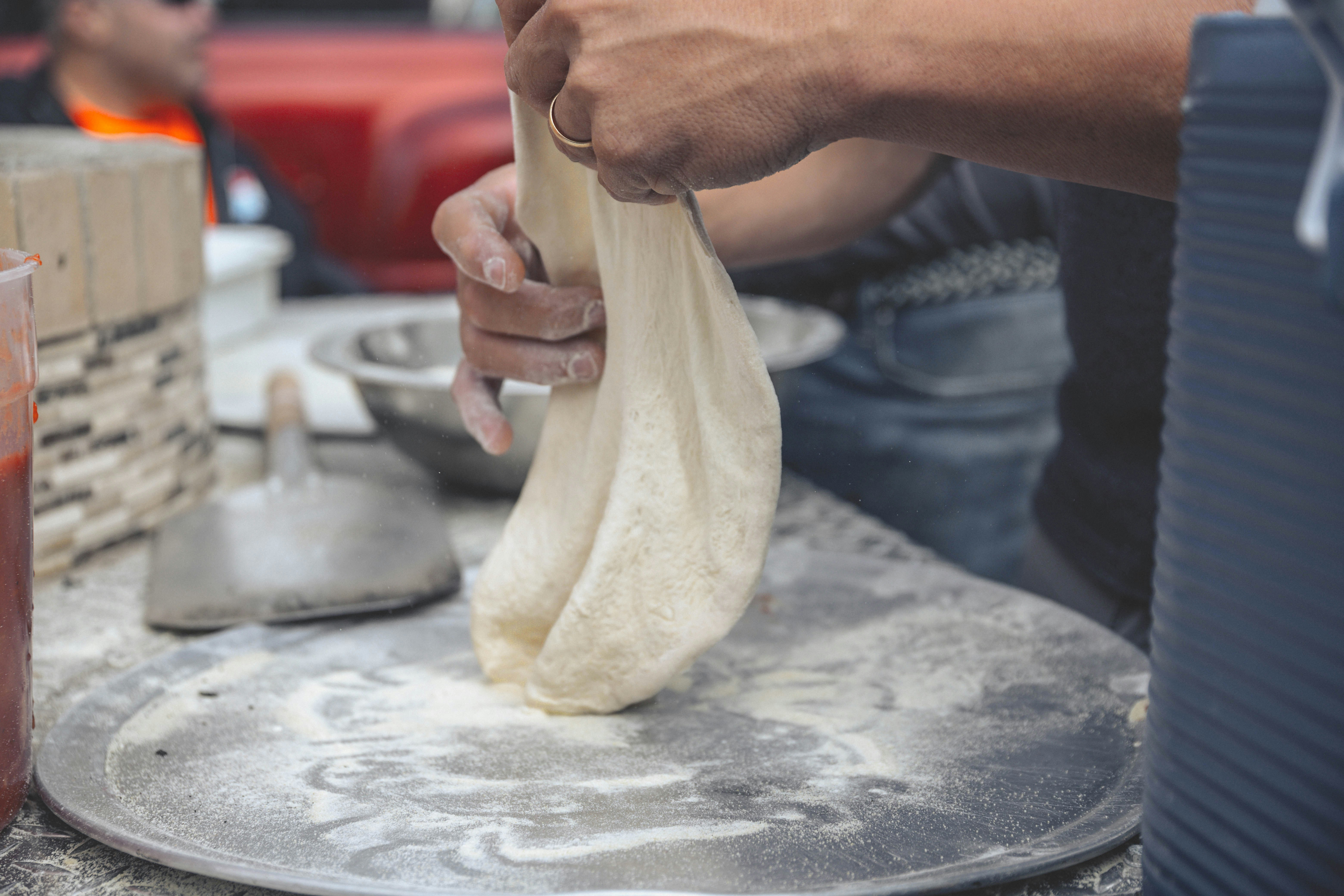
Flour-Dusted Fingers Braiding Bread
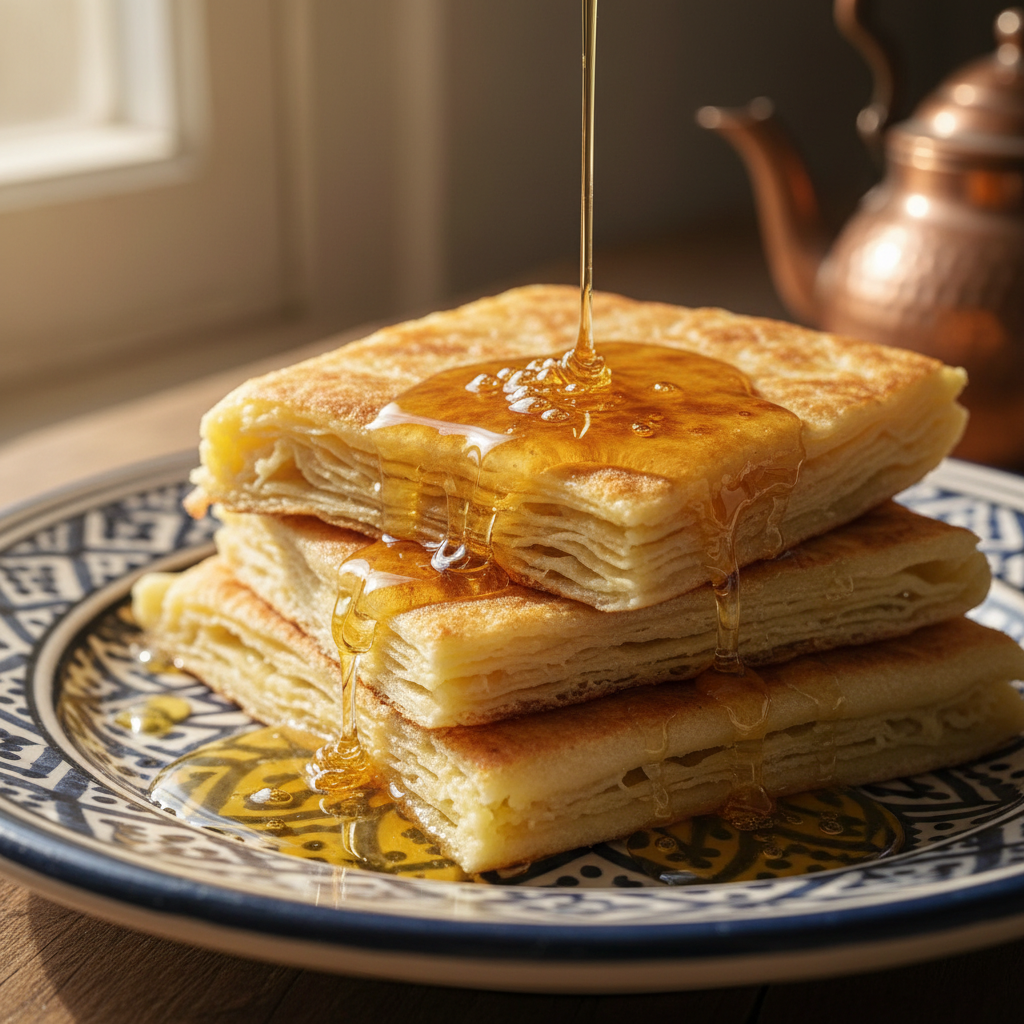
You'll feel the pastilla dough stretch between your palms — translucent, cool, impossibly thin. You'll understand why it can't be rushed. Msemen gets folded three times; the layers are built by hand, not machine.
Every class is hands-on from minute one. No watching, no demonstrations-only. You're at the board, at the stove, at the mortar.
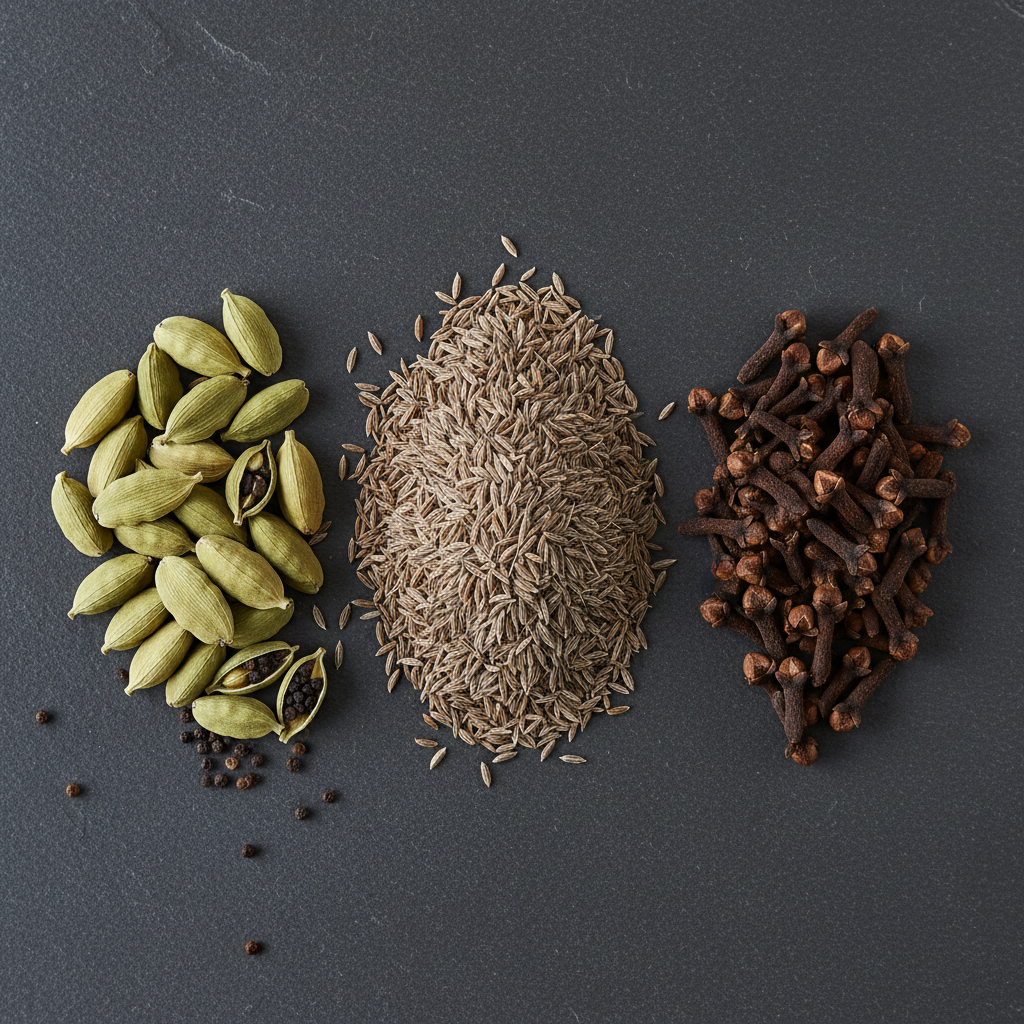
The Moment Cumin Hits Hot Oil
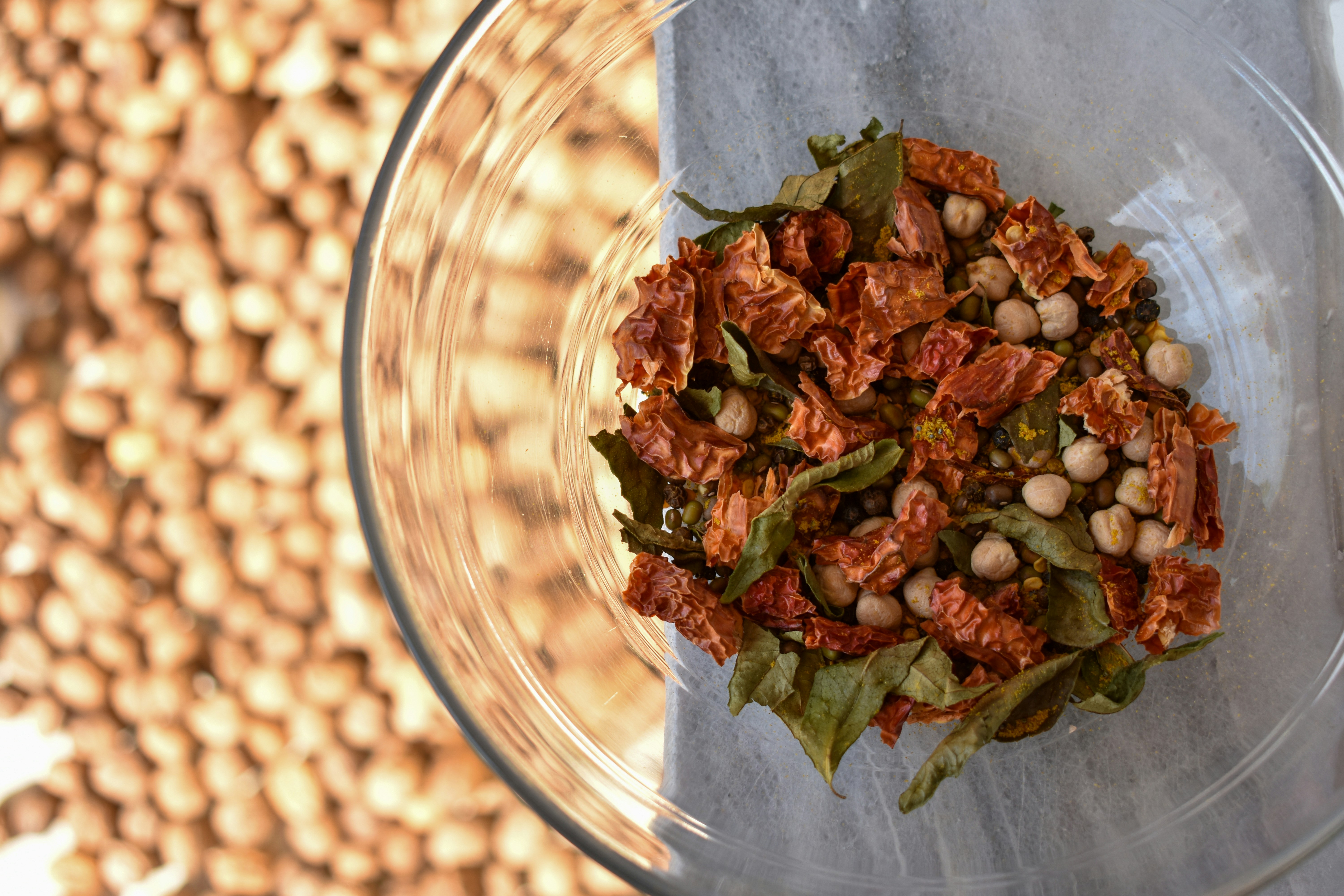
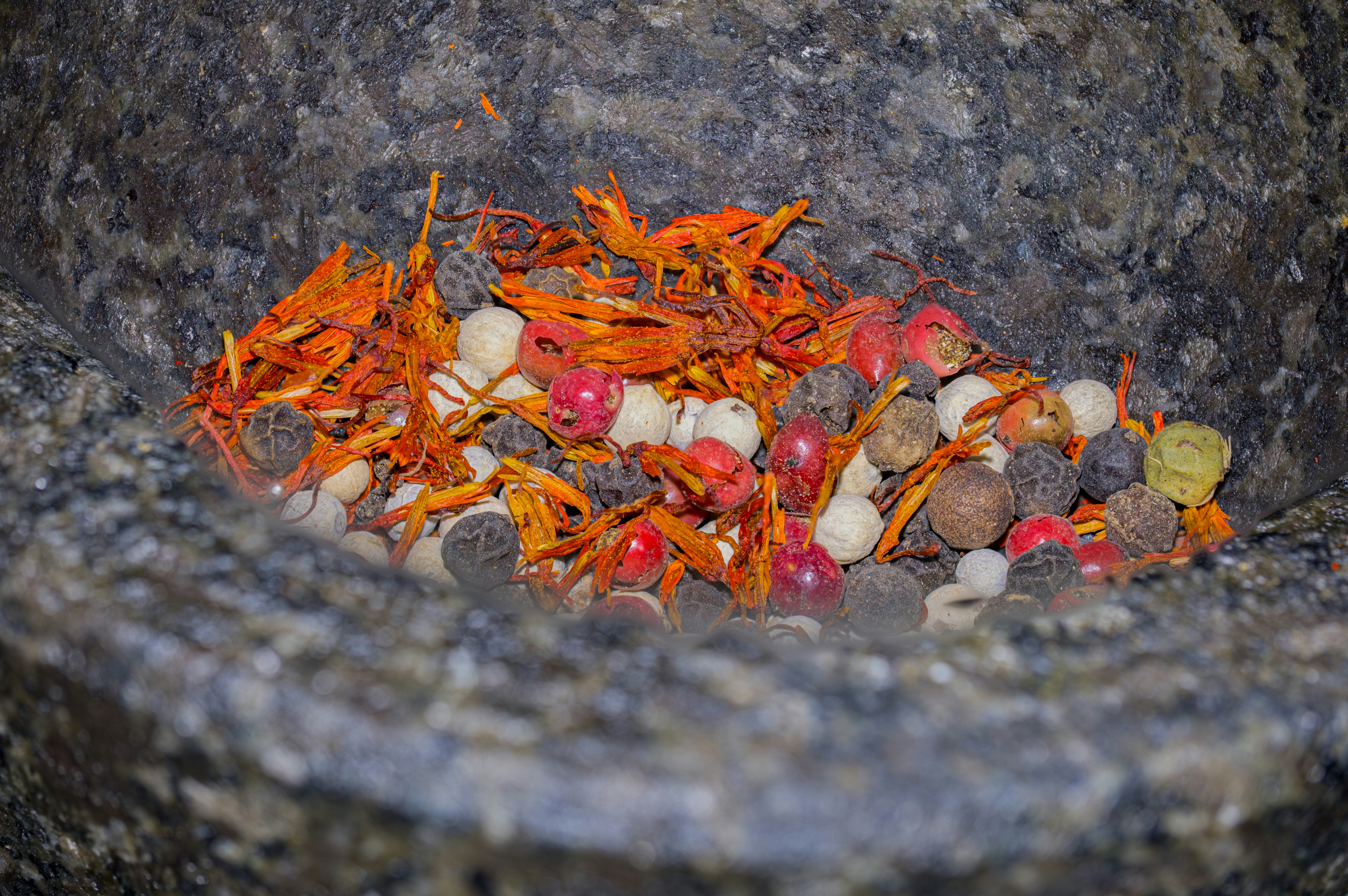
Ras el hanout — twenty-seven spices — ground in a brass mortar until the kitchen smells like a souk at midday. Saffron threads dissolved in warm water turn the broth the color of late afternoon.
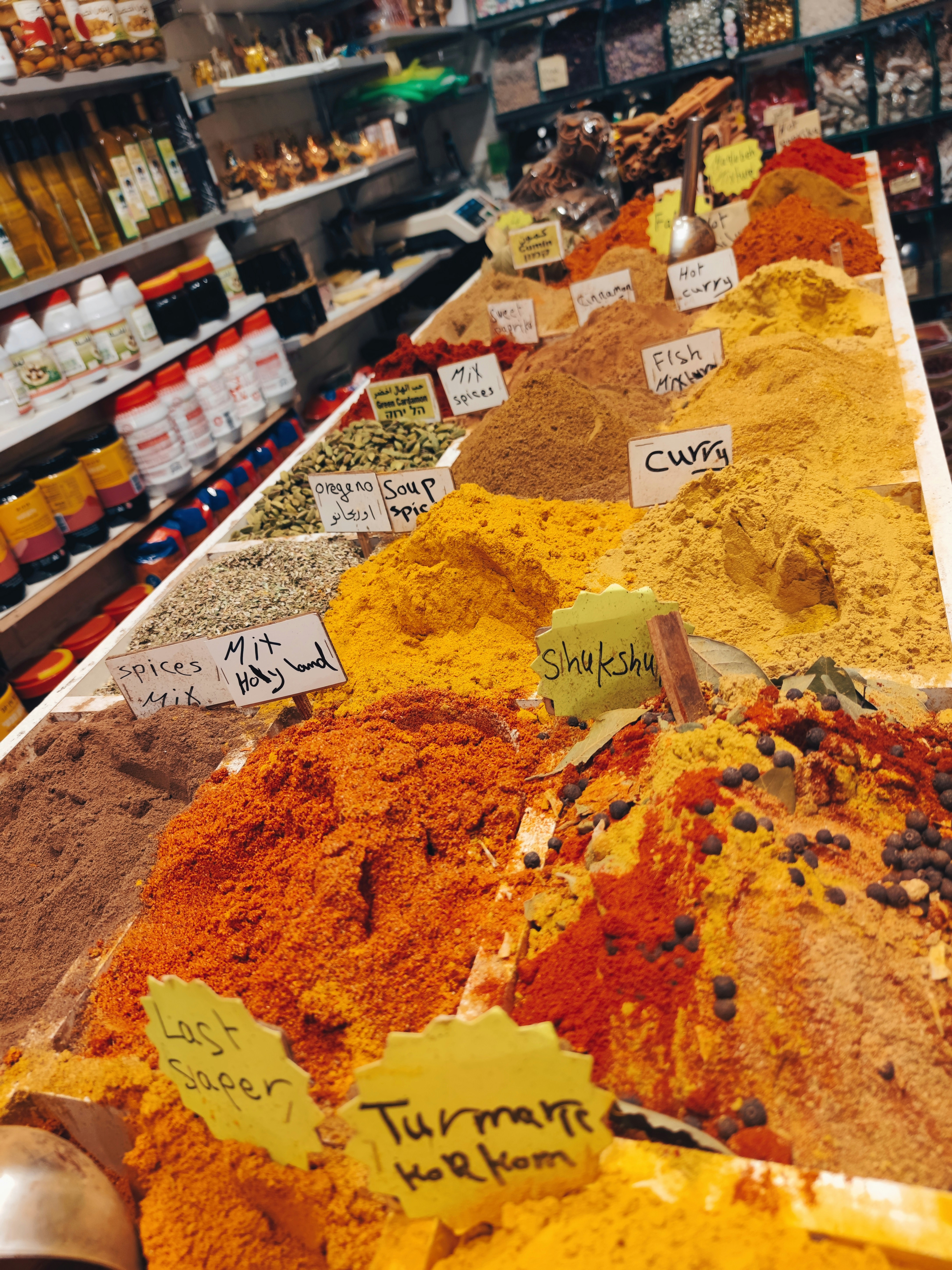
We source whole spices directly from a cooperative in the Mellah. You'll blend your own ras el hanout to take home in a hand-labeled tin.
They Came for the Food. They Stayed for the Bite.
“I've been trying to recreate the tagine I ate in a Fez restaurant for three years. This was it. Exactly it. The preserved lemon cuts through in a way no recipe ever told me.”

“We came as a couple on our anniversary. We left arguing — affectionately — about whose bastilla was crispier. Best date night in years. No menus, no waiting. Just cooking.”

“We've done wine tastings, escape rooms, the lot. This was the first team event where nobody checked their phone. Twelve people, one kitchen, and a genuinely competitive harissa tasting.”

The Charcoal Won’t Wait.
Classes fill 2–3 weeks ahead. Pick a date, tell us your group.